Our Location
Addis Ababa,Ethiopia.
Welcome To:-
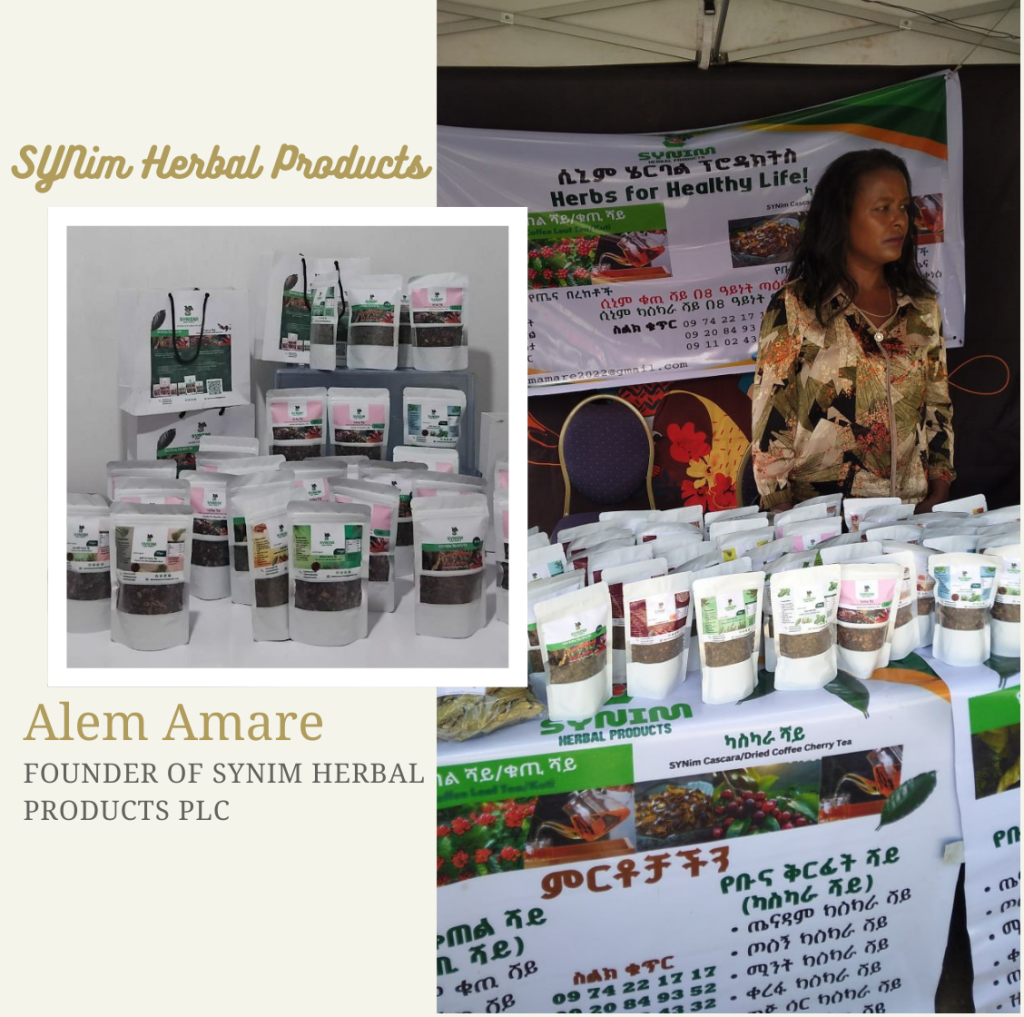
SYNim Herbal Products PLC, established in 2024, is a private Ethiopian company specializing in the processing and packaging of herbal teas made from coffee leaf (Kuti) and cascara (coffee cherry husk).
These are natural, healthy alternatives to traditional tea and coffee, targeting the domestic market initially.
Our Products
Cascara, a Spanish word meaning “husk” or “peel,” refers to the dried outer skin and pulp of the coffee fruit that surrounds the coffee bean. While most people are familiar with roasted coffee beans, cascara is made from the fruit part that is often removed and discarded during coffee processing.
SYNim
Our Products
SYNIM Herbal Products Plc manufactures a wide range of natural and health-focused teas, including unflavored and blended Coffee Leaf Tea, Cascara (coffee cherry husk) Tea, and spiced variations infused with herbs and spices such as rue, thyme, mint, cinnamon, lemongrass, ginger, damakese, basil, cardamom, and clove.
$
SYNim Herbal Products PLC, established in 2024, is a private Ethiopian company specializing in the processing and packaging of herbal teas made from coffee leaf (Kuti) and cascara (coffee cherry husk).
To provide healthy, organic, and eco-friendly herbal teas from coffee leaves and cascara, enhancing consumer wellness and supporting sustainable, inclusive, and fair-trade farming practices in Ethiopia.
To become a global leader in herbal teas, promoting Ethiopia‘s coffee legacy while building a sustainable, socially impactful supply chain that supports smallholder farmers, uplifts communities, and responds to global demand for plant-based, health-conscious products.
SYNim Herbal Products PLC, established in 2024, is a private Ethiopian company specializing in the processing and packaging of herbal teas made from coffee leaf (Kuti) and cascara (coffee cherry husk). These are natural, healthy alternatives to traditional tea and coffee, targeting the domestic market initially.
SYNim was founded following the personal health journey of its founder, who experienced recovery from type 2 diabetes using these products. This inspired the creation of a brand that blends health benefits, fair trade, and environmental conservation. The company collaborates with smallholder farmers using organic methods, ensuring high-quality, eco-friendly sourcing.
FOUNDER of SYNim Herbal Products PLC
products
24
12
36


$ free

Headquartered in Addis Ababa, SYNim‘s processing unit is in Addis. The company emphasizes innovation, quality,…

About Walle MoringaSYNim Herbal Products PLC, established in 2024, is a private Ethiopian company specializing…

1. Unflavored Coffee Leaf Tea / ቁጢ ሻይ 2. Coffee Leaf + Rue Leaf (ጤናዳም…
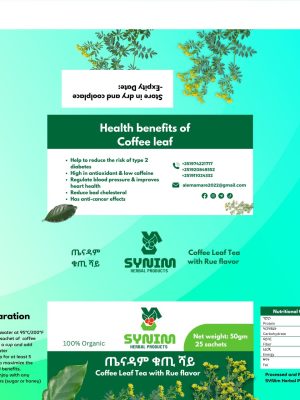
Coffee Leaf Tea is a traditional herbal drink made from the dried leaves of the coffee plant which is widely grown in Ethiopia.
It’s a natural beverage that’s been enjoyed for generations in Ethiopian coffee-growing regions — long before modern coffee drinking became common. In Ethiopia, around Harar, coffee leaf tea is commonly known as “Kuti”.
Coffee leaf tea has a mild, earthy flavor and is considered as healthful alternative to traditional teas due to its high levels of antioxidants and essential nutrients. This tea is gaining popularity for its anti-inflammatory, immunity-boosting, and digestive health benefits. Containing less caffeine than black tea—about 20mg per cup compared to 40–70mg.
Cascara, a Spanish word meaning “husk” or “peel,” refers to the dried outer skin and pulp of the coffee fruit that surrounds the coffee bean. While most people are familiar with roasted coffee beans, cascara is made from the fruit part that is often removed and discarded during coffee processing. In Ethiopia, it is locally known as Hashara (around Harar) and has been traditionally brewed as a tea-like beverage for centuries in coffee-growing regions such as Harar and Sidama. Prepared by drying the coffee fruit husks in the sun and steeping them in hot water, cascara produces a mildly sweet, fruity taste. Containing less caffeine than coffee—about 25 mg per cup compared to 80–120 mg in brewed coffee—it offers a gentle energy boost.